6-STAGE PRODUCT DESIGN & FRONTEND DEV WORKFLOW
Reviewing the complete lifecycle: every project unites human-centered discovery and Customer Experience (CX) mapping with clean, performant frontend engineering.
Ask-IT chatbot that knows when to hand off
Tobby was built to deflect high-volume, repetitive IT queries software/apps requests — into guided self-service. I owned the full UX: intent taxonomies, message patterns, fallback states, escalation rules, and UI states across web and mobile.
The goal wasn't pure automation. It was making the handoff to humans feel seamless when automation wasn't enough.
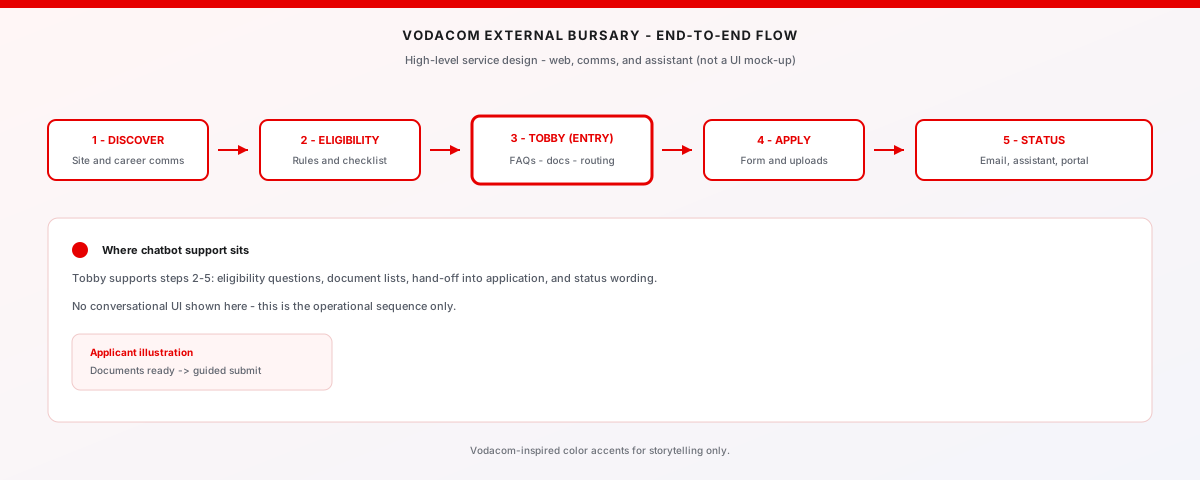
Turning high-volume questions into guided service journeys
Employees and students struggled to find answers, prepare documents and know what happened next.
UX and service designer across conversational flows, content, states and handoff.
Intent mapping → escalation logic → journey design → responsive service patterns.
Clearer next steps, fewer avoidable questions and a reusable guided-application model.
Ticket data before conversation design
I started with support volume and bursary drop-off — not a chatbot skin. Top IT intents, failure points in eligibility, and “what happens after submit?” questions defined the journey map before any UI.
Support analytics
Password, access, and “how do I…?” as the first intent set.
Applicant friction
Missing docs, unclear eligibility, silent post-submit states.
Channel map
Web, email, HR referrals — one guided model across all.
Success metrics
Fewer basic tickets, more complete bursary applications.
From ticket data to conversation design
Top query types
Partnered with IT support to pull password, software/apps access, and "how do I…?" categories as the first intent set.
Flow design
Happy paths + edge cases (missing info, wrong employee details, unsupported requests) with clear confirmations and fallbacks.
Personality & tone
Helpful and straightforward — short, actionable messages. Every line makes the next action obvious.
Escalation
Summarise conversation, capture missing details, create human ticket — employees never feel stuck in the bot.
Guided journey, not a silent PDF
The Vodacom External Bursary process had a drop-off problem: applicants didn't know if they were eligible, what documents they needed, or what happened after submit. I mapped the end-to-end service journey and redesigned it as a guided digital experience — with Tobby as the front door.
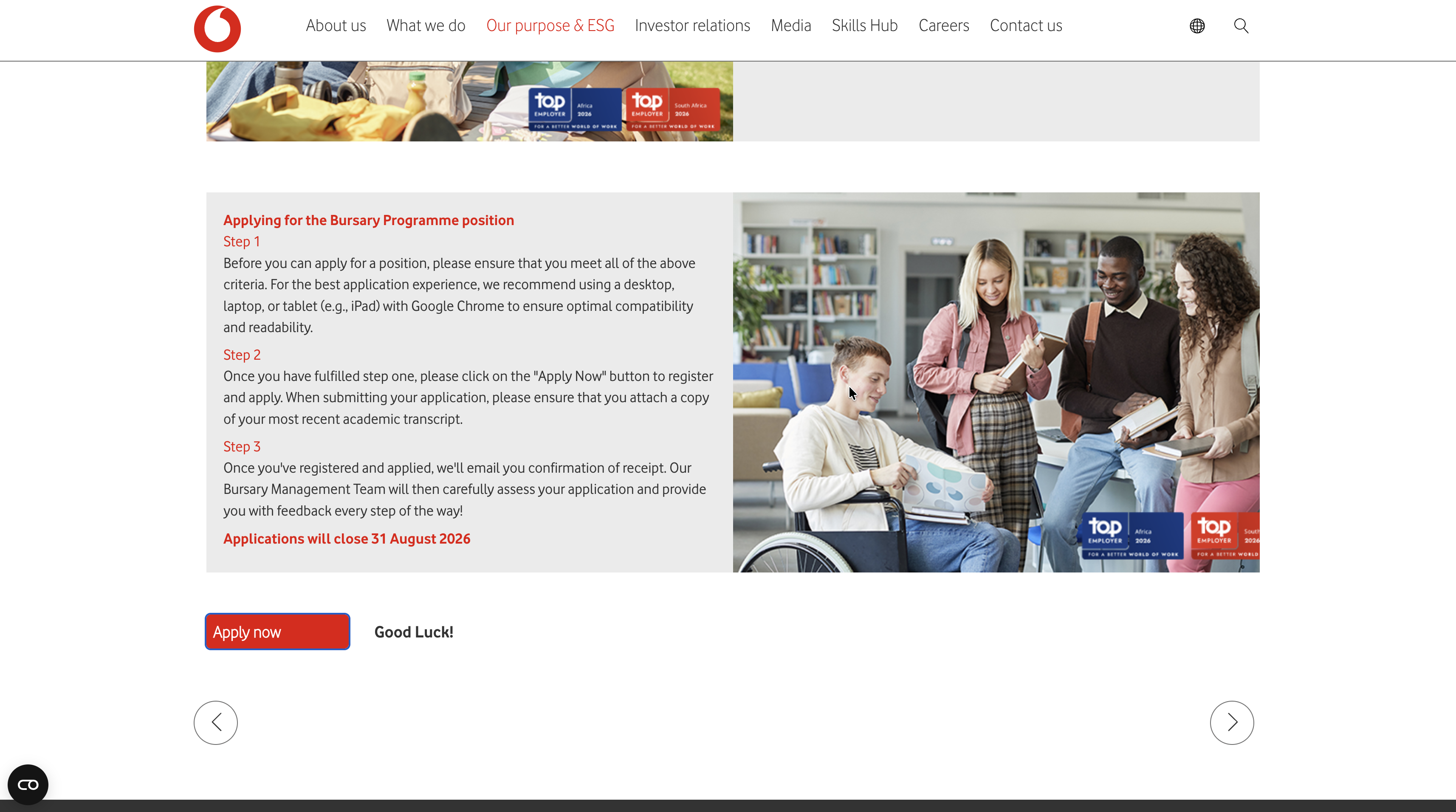
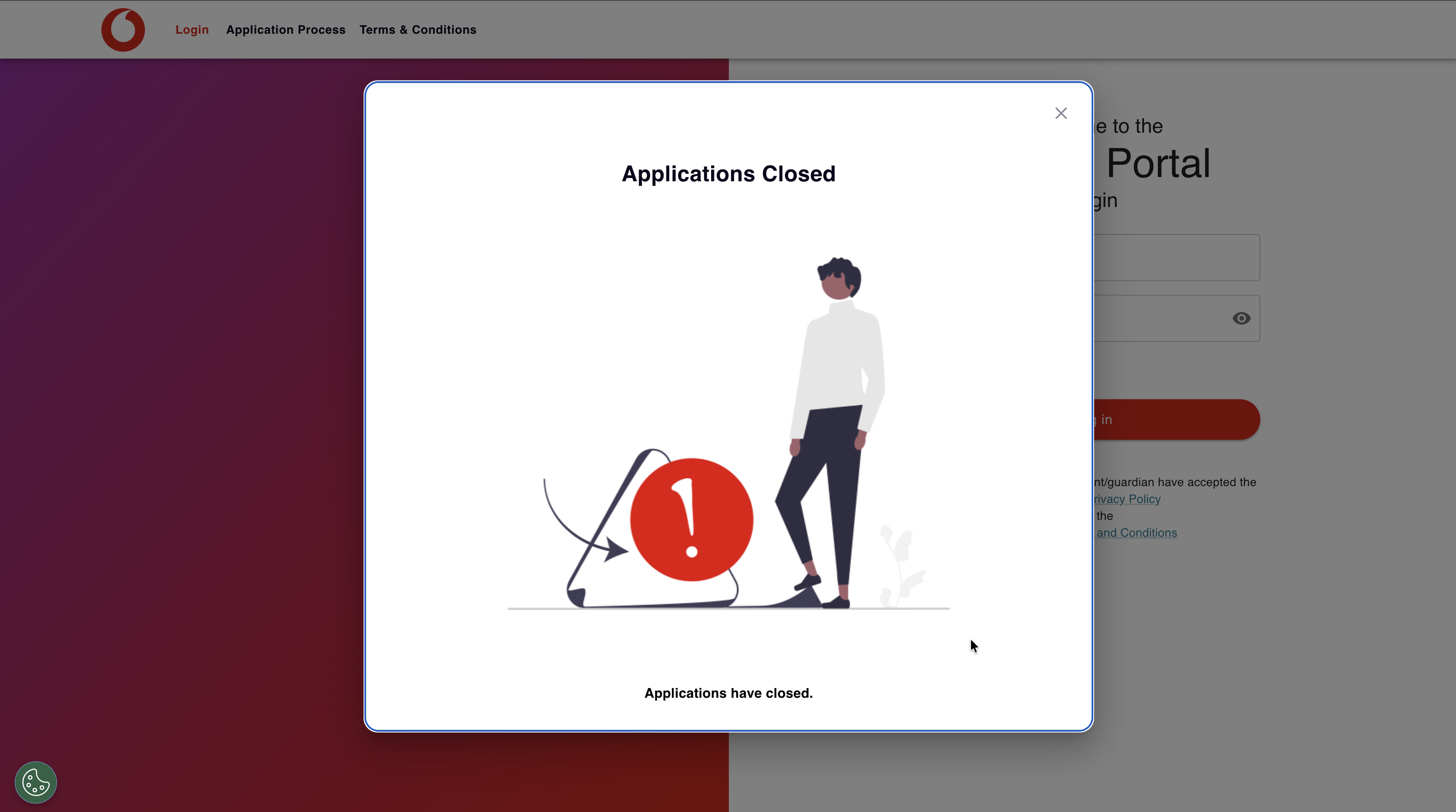
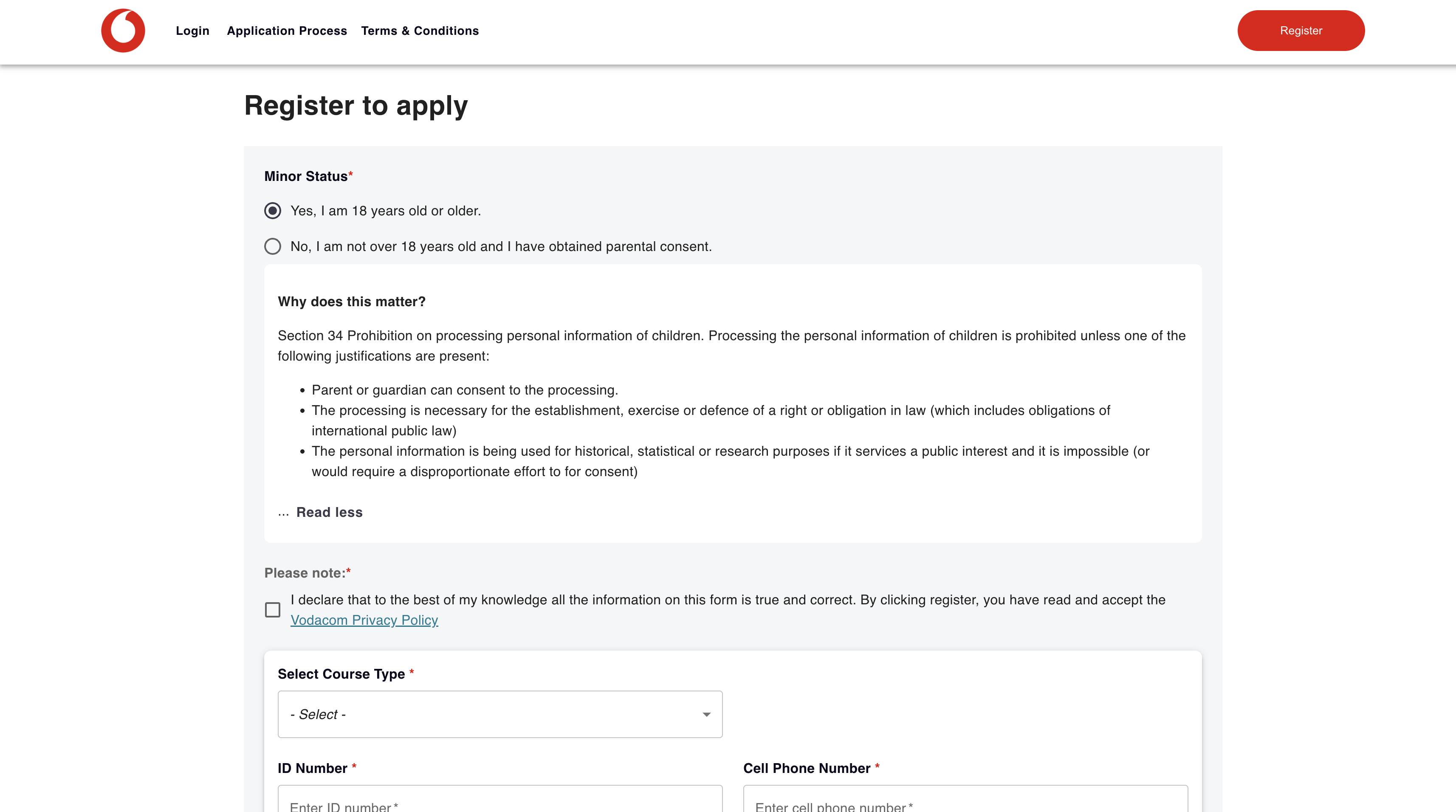
Eligibility → documents → submission → status
Journey mapping
Website, email, HR referrals, paper forms — unclear timelines, missing docs, no post-submit visibility.
Three-stage guided flow
Eligibility check, document preparation, submission — each with instructions, checklists, and time expectations.
Tobby as helper
Answers "Do I qualify?", "What documents?", "What's my status?" — then hands into the formal form only when ready.
Status communication
Received · under review · missing info · accepted · unsuccessful — via email and Tobby where appropriate.
What changed
Conversation patterns for guidance, confirmations, and escalation became templates for other internal chatbots and forms.
Business, product & craft value
A concise view of the UX/UI, CX, product strategy and frontend/UI development decisions in this project.
Business value
Helpdesk capacity returns to complex work; bursary ops gets cleaner first submissions.
Service value
Automation that knows when to hand off — trust preserved when the bot is not enough.
System value
Conversation patterns become templates for other internal assistants and forms.
NEED CONVERSATIONAL OR SERVICE DESIGN?
I design intents, escalation, and multi-channel journeys for internal tools and public programmes. Contact me your use case.